5 Canyoneering Routes in Zion You've Never Heard Of (A Biology Teacher's Guide)

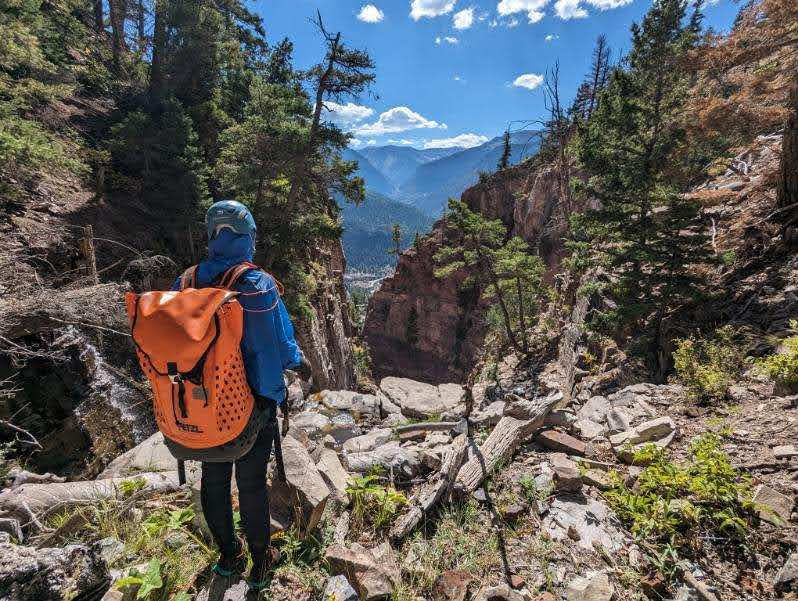
Everyone knows The Narrows. Everyone knows Angels Landing. And on any given Saturday between April and October, it can feel like everyone is standing on them at the same time.
But Zion National Park covers 147,000 acres of sculpted sandstone, and the routes that fill your Instagram feed represent a tiny fraction of what's actually out there. After ten years of exploring Utah's canyon country — and teaching biology to teenagers who ask brilliant questions about how these canyons formed — I've found the routes that most visitors never see.
This is my honest, boots-in-the-water guide to five canyoneering routes in Zion that deliver the wonder without the wait. A quick note before we start: canyoneering is a technical sport. Several of these require rappelling, route-finding, and swimming through cold water. Know your limits, check conditions, and when in doubt, go with a certified guide.
Let's get into it.
First, a word on why Zion's canyons look the way they do
Before we talk routes, indulge the science teacher in me for thirty seconds — because understanding why these canyons exist makes walking through them so much better.
Zion's canyons are carved primarily from Navazo Sandstone, the compressed remains of an ancient desert of sand dunes that existed roughly 190 million years ago. The dramatic vertical walls exist because this sandstone is remarkably uniform and cements together in a way that allows water to cut down faster than the walls erode outward. The orange and red stripes you'll see? That's iron oxide — literally rust — staining the rock as groundwater moves through it.
Once you know that, every canyon wall becomes a page of deep time. Okay. Science lesson over. Let's find some adventure.
1. Keyhole Canyon — The Perfect First Technical Canyon
Difficulty: Beginner-friendly (3A III) Time: 1–2 hours Permit required: Yes
If you've never done a technical canyon and want to feel what the sport is about, Keyhole is your gateway. It's short, it's stunning, and it packs rappels, downclimbs, and a couple of cold swims into a compact adventure you can finish in an afternoon.
Because it's brief, Keyhole is often overlooked by people chasing bigger objectives — which means you can frequently have stretches of it to yourself. The narrow slots here are so tight in places that you'll turn sideways to pass through, with light filtering down in ribbons from far overhead.
My tip: The water in Keyhole stays genuinely cold even in summer. Bring a wetsuit or at least a splash top in the shoulder seasons. Hypothermia is the real risk in Zion canyons, not heat.
2. Pine Creek Canyon — Beauty That Punches Above Its Length
Difficulty: Intermediate (3B III) Time: 3–4 hours Permit required: Yes
Pine Creek is the canyon I recommend to people who've done one or two technical descents and are ready for something with more commitment. It's genuinely one of the most beautiful slots in the park — glowing sandstone corridors, a series of rappels, and swims through emerald pools.
The final rappel drops you into a chamber that photographers dream about, where reflected light turns the walls to fire. And because most park visitors are queued up elsewhere, you're experiencing all of this in relative solitude.
My tip: Route-finding matters here. The approach and the sequence of anchors aren't always obvious. Download a current route beta before you go, and never trust that a fixed anchor is safe just because it exists — inspect everything.
3. Spry Canyon — The Full-Day Effort Most People Skip
Difficulty: Advanced (3B IV) Time: 6–8 hours Permit required: Yes
Spry is a commitment. It involves significant elevation, a long approach, multiple rappels (including some big ones), and the kind of sustained focus that separates casual canyoneers from serious ones. That barrier to entry is exactly why it stays quiet.
What you get in return is a full day inside Zion's backcountry with panoramic views, dramatic drops, and the deep satisfaction that only comes from a genuinely earned descent. This is a route that will test your systems and reward your preparation.
My tip: Start early. Really early. A dawn start gives you margin for slow spots, and you do not want to be finishing rappels as the light fades.
4. Englestead Hollow — For the Big-Rappel Dreamers
Difficulty: Advanced (3B IV) Time: 7–9 hours Permit required: Yes
Englestead opens with one of the most striking rappels in the region — a free-hanging drop of nearly 300 feet down a sheer wall. If exposure makes your palms sweat, this will be a full-body experience. If it thrills you, few things in canyoneering compare.
Beyond that opening statement, the canyon delivers a long, engaging descent that eventually links toward the Zion narrows system. It's remote, demanding, and unforgettable.
My tip: This route requires confidence with long rappels and rope management. Practice your rappelling systems on smaller drops before committing to a 300-foot free hang. This is not the place to learn.
5. Water Canyon (Just Outside the Park) — The Local Secret
Difficulty: Intermediate, with easier sections Time: Half to full day Permit required: Check current local regulations
Technically just outside Zion's boundary near Hildale, Water Canyon is the route locals treasure and tourists drive right past. It offers gorgeous slot sections, seasonal waterfalls, and hanging gardens where water seeps from the rock and supports improbable little ecosystems of ferns and wildflowers.
The lower sections are accessible to strong hikers, while the upper canyon rewards technical canyoneers. It's a place where you can genuinely feel like you've discovered something.
My tip: Those hanging gardens are fragile microhabitats — tiny wetland ecosystems surviving in the desert. Look, photograph, and never trample them. They take decades to establish.
The gear that keeps me safe out here
I get asked constantly what I carry. Here's the short version of my canyoneering essentials:
A reliable pack that drains — I use a Black Diamond Crag pack that handles rope, hardware, and a camera without becoming a swamp after the first swim.
Proper canyoneering rope — not climbing rope. Static or semi-static, rated for the drops you're doing.
A wetsuit or drysuit in cold seasons — Zion water is a hypothermia risk year-round.
A good pair of shoes — I'm on my feet all day, and good shoes are the difference between finishing strong and limping out. I prefer La Sportiva.
A dry bag for anything that can't get wet, especially your phone and any electronics.
Good carabiners - You literally are hanging on these things, don't skimp out.
Harness - sandstone will rip everything up, this harness has got you covered. Literally.
Helmet - don't go without this. It's just not worth the risk.
Dedicated descender- it's important to make sure you know how to use this before you go!
Before you go: three non-negotiables
Check the weather — obsessively. Flash floods are the number one danger in slot canyons. A storm miles away can send a deadly surge through a canyon under blue sky. Never enter a technical canyon when there's flash flood risk.
Get your permits. Most technical canyons in Zion require permits, and they exist to protect both you and these fragile places. Respect the system.
Know your exit. Understand your route completely before you drop in. Canyoneering has a serious commitment factor — once you rappel past a certain point, the only way out is forward.
Find your wild
Zion is one of the most spectacular classrooms on Earth, and its quietest canyons are where I feel most alive. If you go, go prepared, go humble, and go with a genuine curiosity about the ancient world you're moving through.
The crowds will always be on Angels Landing. The magic is often somewhere quieter.
Hannah is a 9th grade biology teacher, certified yoga instructor, and UGC creator based in Utah. She's spent over a decade exploring canyon country and sharing the science and adventure of the American Southwest. Want more field guides like this? Join the newsletter for adventure dispatches and a free Utah Adventure Guide.
Related reading:
Why Every Traveler Should Know Basic Ecology
Galápagos on a Budget: What Actually Works


Comments